Lost in Modernization?

Making a movie is not only about about writing a script, casting the crew, and shooting it, it is no easy feat as it takes in a lot of effort and commitment of not only one person but many in shooting even a small sequence. And thus, directors, go places to give justice to work in their hand and give it as much authenticity and uniqueness they can give. This authenticity can come in different ways, be it the basic thing, a unique script or a more subtle one like the way the movie is shot, some movies are just more than their story or actors in which the directors opted unique ways to give their work of art the justice it deserved and this list (non exhaustive obviously) talks about some of them.

A “Trip” to Disney Land- ESCAPE FROM TOMORROW (2013)

Although not subjected to that much appreciation, this movie about a a family going to Disney land and a man from the family experiencing all the weird things he could is unique in it’s own way. As cameras for shooting a movie were not allowed inside Disney Land, director Randy Moore took a different and unconventional approach and shot the whole film with normal tourist cameras while roaming around the place. The crew acted like tourists and shot the sequences according to a strict time table which the actors rehearsed in their hotel rooms. The director went with the black and white tone of the film to compensate for the bad lighting while shooting. A lot of things were added post production which was kept completely a secret and the movie didn’t get much appreciation for it’s negative and dark portrayal of The Disney Land.

A still from the movie “Escape from Tomorrow”

“The School Project”- TANGERINE (2015)

Speaking about The Disney Land, the man behind The Florida Project went full “Film School” in his previous project “Tangerine” as the whole movie was shot using only three iPhone 5s. Saving the discussion on why Apple has the video camera in the market for some other time I would like to highlight that all Sean Baker (also the cinematographer for the movie) majorly used for this movie were three things, First, The iPhones of course, Second, a professional video shooting app, and Third, a steadicam for obvious purposes. According to him, he went for this approach due to lack of budget but it surely hit home run as the movie went on winning many accolations from film Festivals. On top all this the unconventioanal approach during editing and going crazy on the saturation and giving the whole movie and orange tint(hence the name) just made it all better.
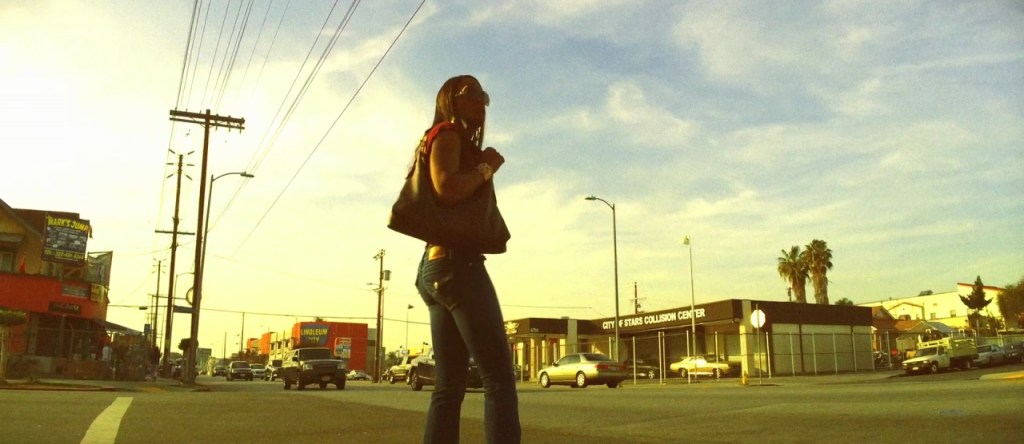
A still from the movie “Tangerine”

A “visual” journey through a man’s life- STEVE JOBS(2015)

There have been many attempts to portray Steve Jobs’s life on the screen (counting out the 2013 movie Jobs) and Steve Jobs is one which stands out in a different way. Although the movie’s brilliant screenplay takes us on a trip into the genius’s mind and lets us explore the emotional “slots” in it but what it does is make us feel the changes Steve Jobs went through. Danny Boyle, the Director, in order to show the man’s journey used different physical media to shoot the different times in his life. For example, the scenes from 1984 are shot in 16mm which gives the scene a grainy effect similar to the movies at that time. Similarly the 1988 scenes are shot in 35mm giving it a crispier and clearer look hence the portrayal of advancement both in technology and the man synonymous with it. At last, the scenes from the launch of the second mac were shot digitally for the same purpose. All this effort not only gives the movie a subtle touch but also appeals to “Hipsters” like me who just pretend to “get into the technicalities of everything”.
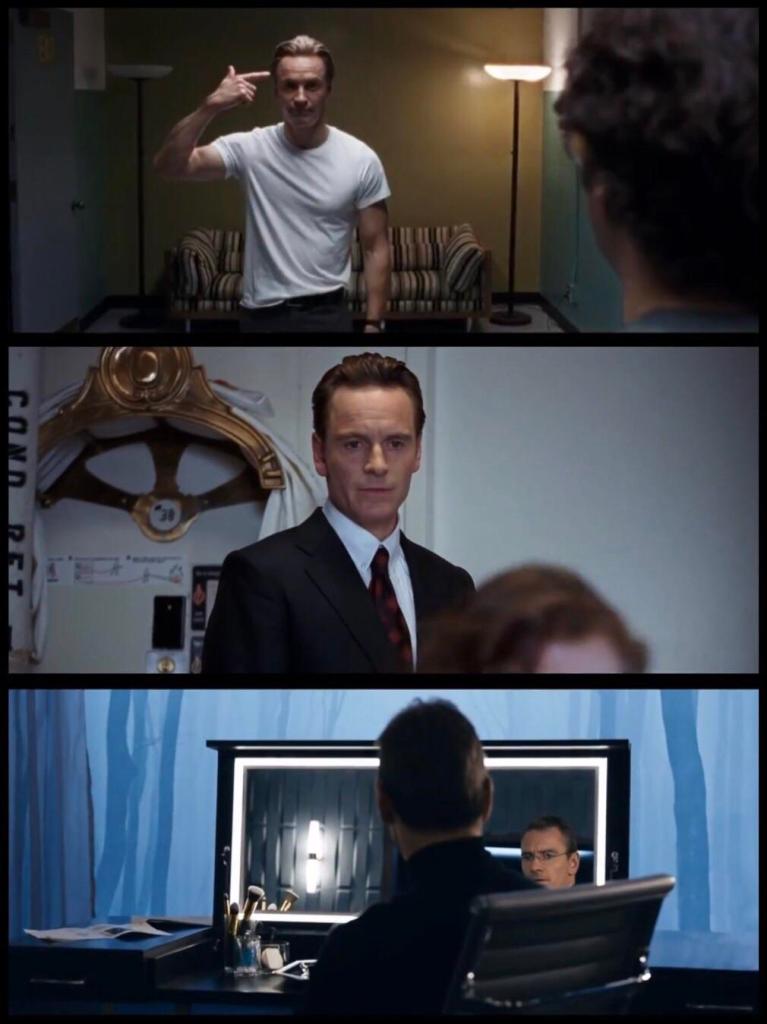
The three different formats in “Steve Jobs”

“Eerie story about a backward town”- GHOST TOWN ANTHOLOGY (2019)

Despite being exposed to all the better and much easier ways to shoot a film, Director Denis Côté went with a rather different way. In order to portray a town with a limited and decreasing population which is considered a “Ghost Town” by the government, Denis decided to shoot the whole movie in 16mm to give it the sense of being alien from the outer world and being backward and eerie. The grainy texture and the washed out colours in this horror flick give the viewers a subtle sense of anxiety during it’s runtime.

Still from the movie “Ghost Town Anthology”

While there are many directors (Tarantino still relies on film for shooting his films)who still use the old ways to shoot a movie and don’t rely much on the modern techniques the industry is more inclined towards them which makes it easier for the filmmakers to shoot the movie and the introduction of CGI has made the other subtle techniques ( The ageing in the movie Boyhood) seem a little too far fetched. No doubt all of this has made movie making much better and easier but it has taken away the sense of uniqueness which filmmakers used to have for different ways in which they made movies. But now and then we get to see a homage to such media through filmmakers (Use of 35 mm to shoot The Lighthouse) who still have a special place for old ways in their hearts and we hope we get to see such works in the future as well.
IN A24 WE TRUST…

A24 Logo

“A dark comedy about a world where if single people don’t find love in 45 days are turned into animals.” “A movie in which Daniel Radcliffe plays a corpse washed over on a beach.” These were the synopsis of some independent movies from independent directors, which no mainstream studio would risk putting their money on. This is where an independent studio founded by Daniel Katz, David Fenkel and John Hodges which is not scared to take any risks, comes into the picture.

A still from the movie The Lobster by A24

A24 is an American independent distribution company founded in 2012 which specializes in film distribution and film and television production which got its name from the Italian highway Auto Strada 24 on which David Katz was driving when he got clear with the idea of opening up a distribution company. The special thing about this studio is its love for independent bold filmmakers who believe in putting out their unique stories in the best way possible. The company picks up some of the artsiest and unique storylines and employs different methods to sell that movie. They started being noticed with James Franco starer Spring Breakers and got the much-deserved acceleration with buying the distribution rights for Ex-Machina. A24 is not only known for all its movies having a unique way of storytelling (A Ghost Story having the look of a polaroid or It Comes at Night changing aspect ratios whenever the story jumps between nightmares and reality.) but for its way of marketing those movies. Be it having a Tinder account for the robot from Ex-Machina, having exclusive and fun merchandise for every movie( Pizza Boxes for Good Time) or having the best trailers for every movie, they have the best marketing strategies in town. The reason A24 got so successful in such a competitive market is their use of media which centered around the theme of the film and not the conventional ones.

A screenshot of the Tinder account having photos of Alicia Vikander as Ava.

Through all the things mentioned above, A24 has made its way into the big game and has a total of 25 Academy Award nominations which include everyone’s “Favourite” Moonlight for best picture and Brie Larson for Best lead actress in Room(Also nominated for best picture). The studio is also responsible for giving way to coming of age directors like Greta Gerwig who is known for Lady Bird(Also nominated for Academy Award for Best Picture) and Little Women( Got six nominations at this year’s Academy Awards). Despite all the good content they give us, A24 movies are still not liked by everyone and are constantly being snubbed at several Awards, despite this fact A24 cares about the ‘cult’ they have and try their best to expand it and satisfy the already existing ‘members’. With movies like The Green Knight and Saint Maud scheduled to come and a deal struck with Apple Inc. to produce movies for them prove that they are not gonna stop supporting independent artists and making money out of it anytime soon, so if you find your next movie somewhat unique and groundbreaking, be sure to check for the A24 logo because that would be the most probable cause.

1917: Best Visual Effects?

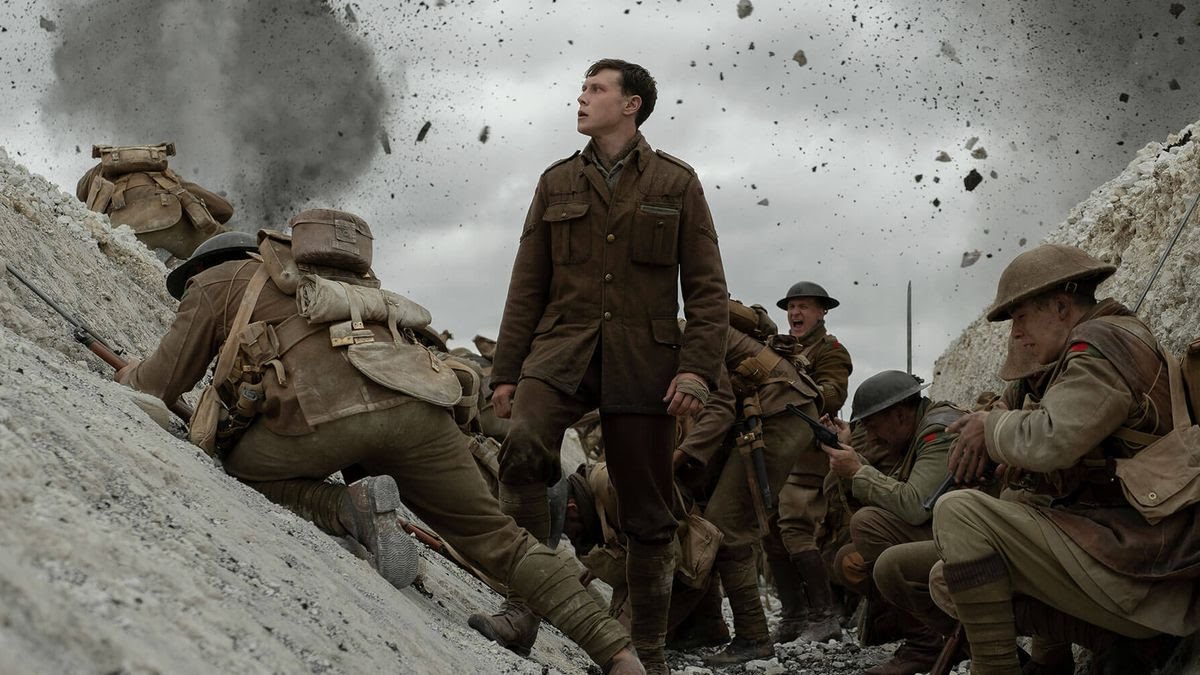
So, I was discussing the Oscar winners with one of my friends today and it was going all smooth until the guy said, “Did 1917 even have any CGI to win the best visual effects?” Well I am sure you must have been wondering about 1917’s win over CGI giants like TROS and Endgame. Visual effects are the only category where commercial giants can compete toe-to -toe with the ‘high class’ or the less commercial movies. So, what was there in 1917 which got it an Oscar in best visual effects for having almost negligible CGI as compared to the almost realistic Hulk and Thanos in Endgame or the de-aged gangsters in The Irishman? Well, 1917 won an Oscar not for having the best visual effects but for the best usage of those visual effects.

19171.0.jpg

The best thing about the movie is that it is shot and edited in such a way that the whole movie looks like a single shot which gives you the war experience in real time, now shooting the whole movie in a single take with all the commendable work done by Roger Deakins going perfectly fine wouldn’t have been possible, so the movie was obviously shot in multiple takes. But how these different shots are made to look like a single shot? This is where CGI came into play and in fact played a major role in it.

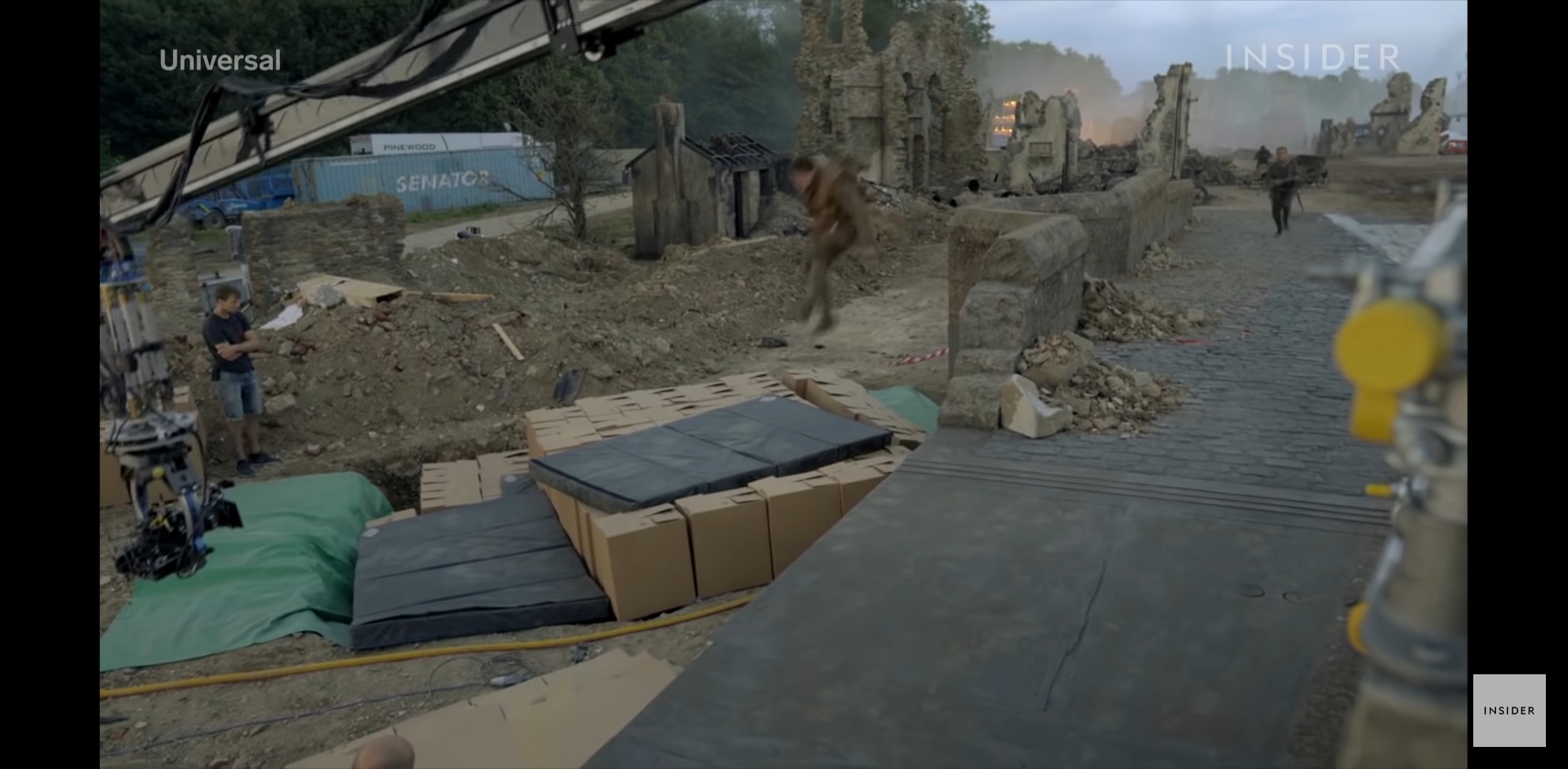
Screenshot_20200212-014535.jpg

There are several instances when the scene gets cut and a new scene starts without us even noticing for example when Schofield and Blake go into the dark bunker or when Schofield jumps over the ledge into the river while escaping from the burning town. This is because the scenes are stitched together in a very subtle manner. This technique has been seen in movies like Rope (by Alfred Hitchcock) or in Birdman. Whenever a character walks behind a tree or a dark object or whenever the object covers the whole screen, a cut takes place and CGI is used to generate computer images of the object and hide the transition. For example, the scene in which Schofield jumps into the river, he actually jumps onto a blue mat with no water around it, the water is added post-production with the help of CGI and the cut which takes place is very cleverly hidden in through CGI. This same technique has been used several times in the movie and while some of them are for explicit, some of them go unnoticed.

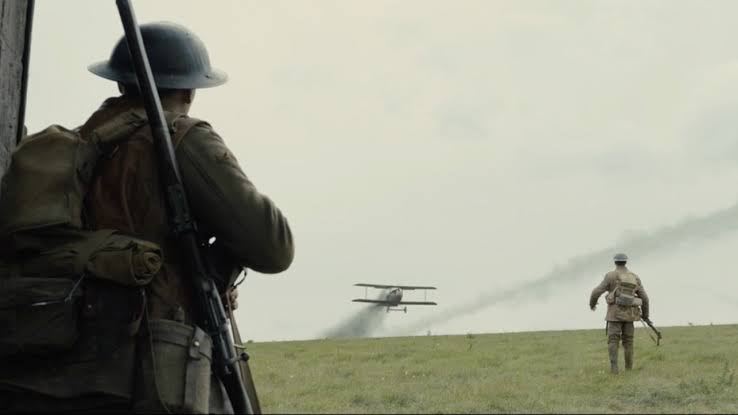
images (1).jpeg

There have been some conventional uses of CGI in the movie as well like the plane crashing scene or the bomb craters in the climax run. But the use of CGI in between the cuts made the ‘oner’ possible in a movie in which the longest single take was only 9 minutes long! All in all, 1917 is a sheer example of good editing going hand to hand with excellent sound mixing and cinematography which proves that good CGI is not all Thanos or The Totuk Makto in Avatar it is something more subtle and unnoticed and plays a major role in places we don’t even recognize.

Design a site like this with WordPress.com
Get started